
رشا عبد العال : أفريقيا بحاجة إلى تعاون ضريبي دولي يحمي حقوقها الضريبية ويعزز قدرتها على مواجهة التدفقات المالية غير المشروعة

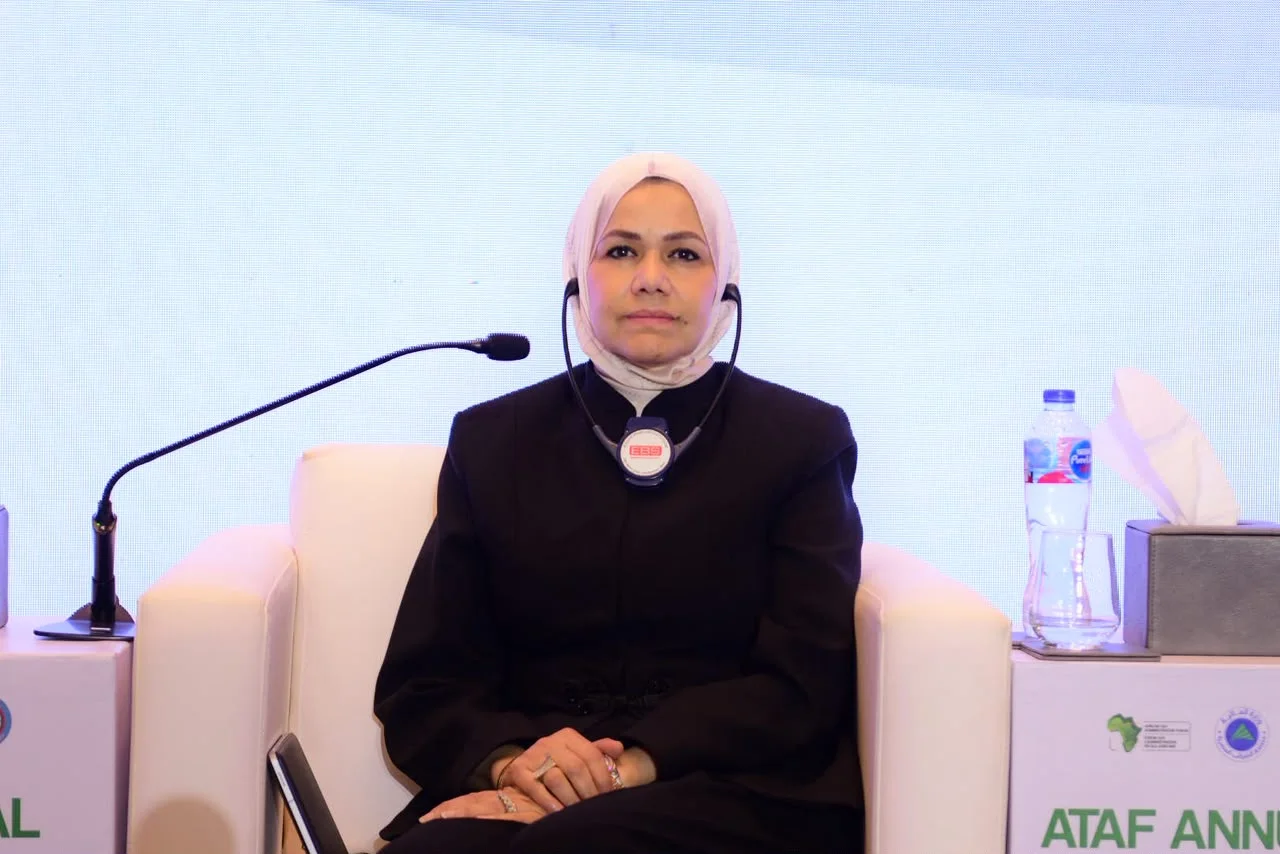
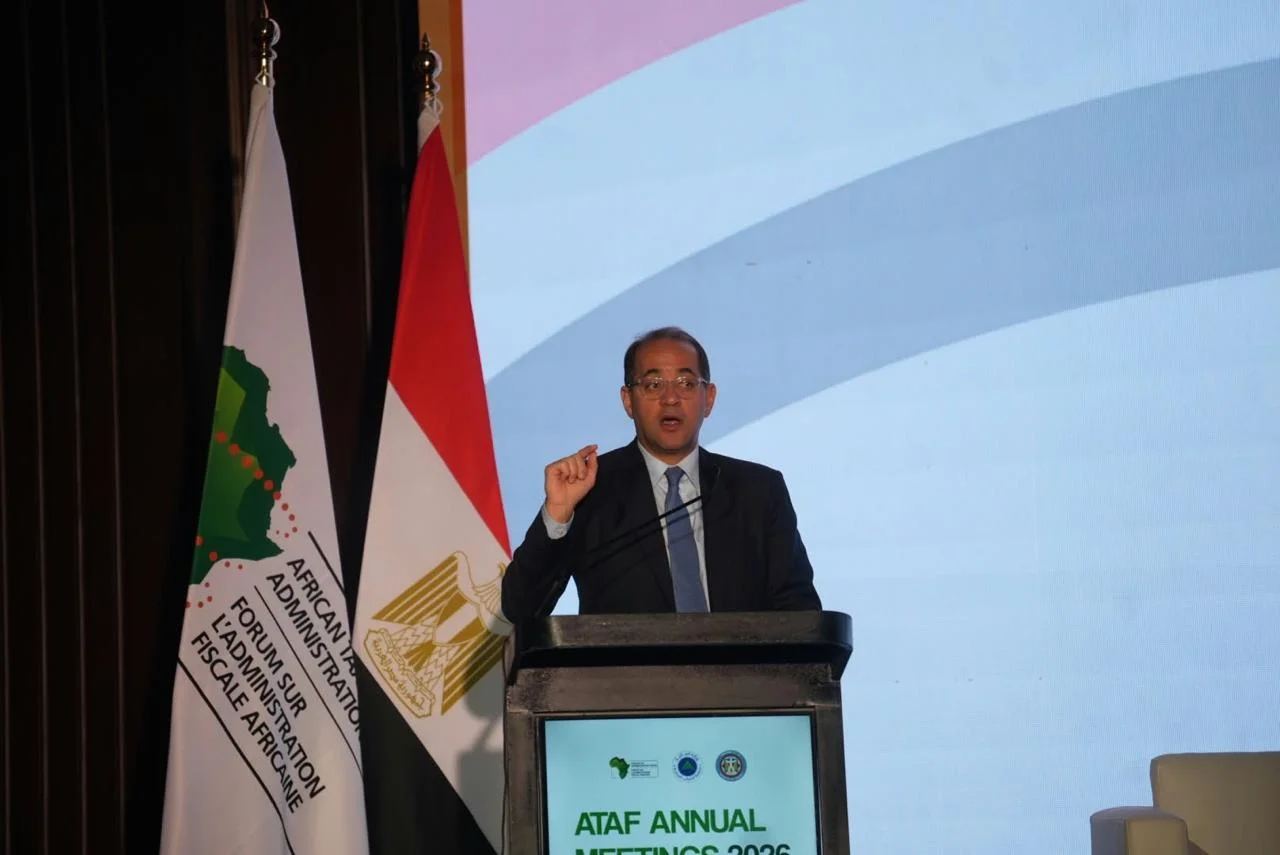
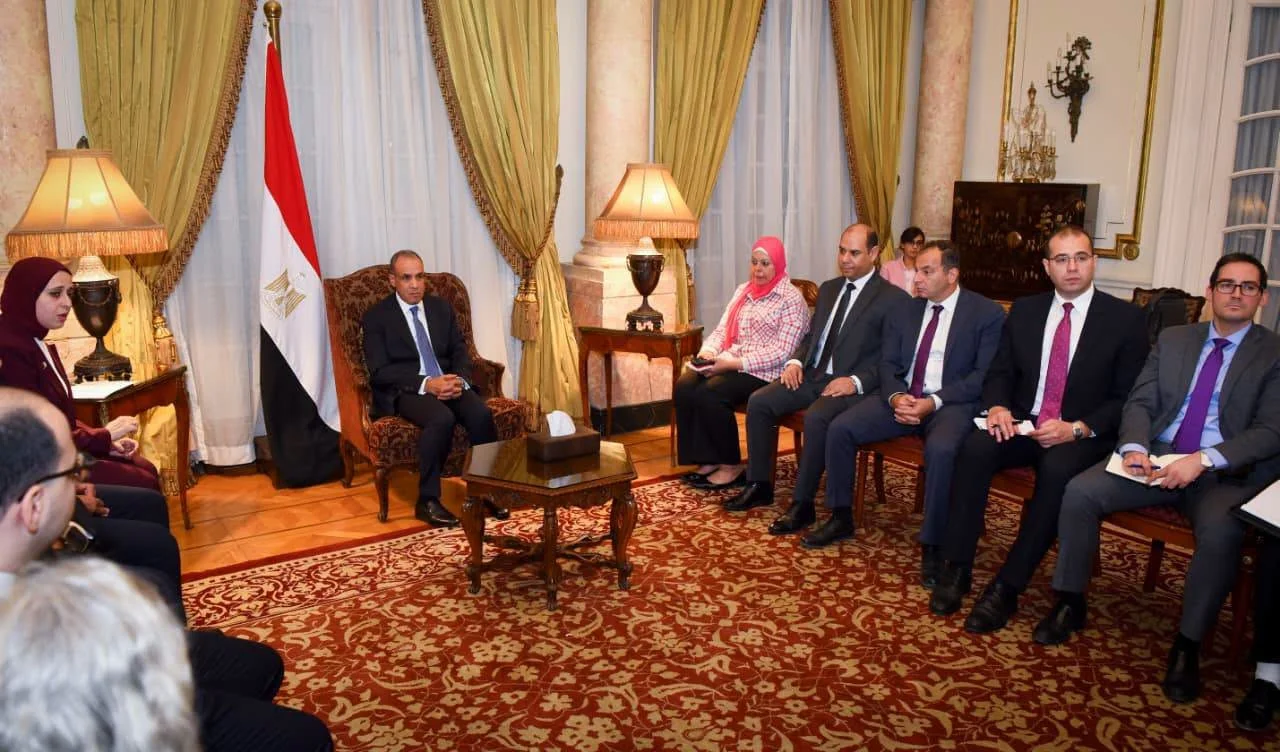
شهدت الاجتماعات السنوية للمنتدى الأفريقي للإدارات الضريبية «ATAF 2026»، التي تستضيفها جمهورية مصر العربية، ممثلة في مصلحة الضرائب المصرية، بالقاهرة خلال الفترة من 1 إلى 5 نوفمبر الجاري، انعقاد جلسة نقاشية رفيعة المستوى بعنوان «اتفاق إشبيلية: مراجعة أفريقية للاتفاق العالمي»، بمشاركة عدد من الوزراء وكبار المسؤولين وممثلي الإدارات الضريبية والمؤسسات الأفريقية والدولية، لمناقشة مدى التقدم في تنفيذ الالتزامات الدولية المتعلقة بتمويل التنمية، والفرص والتحديات التي تواجه الدول الأفريقية في تحويل هذه الالتزامات إلى نتائج ملموسة تدعم قدرتها على تعبئة مواردها المحلية.
وجاءت الجلسة، التي أدارتها ماري باين، الأمين التنفيذي للمنتدى الأفريقي للإدارات الضريبية، في إطار مراجعة أفريقية لاتفاق إشبيلية الذي أُقر خلال المؤتمر الدولي الرابع لتمويل التنمية بإسبانيا عام 2025، بهدف تقييم ما تحقق من تعهدات، وتحديد فجوات التنفيذ، وبحث الآليات اللازمة لتعزيز استفادة الدول الأفريقية من المبادرات الدولية لتمويل التنمية.
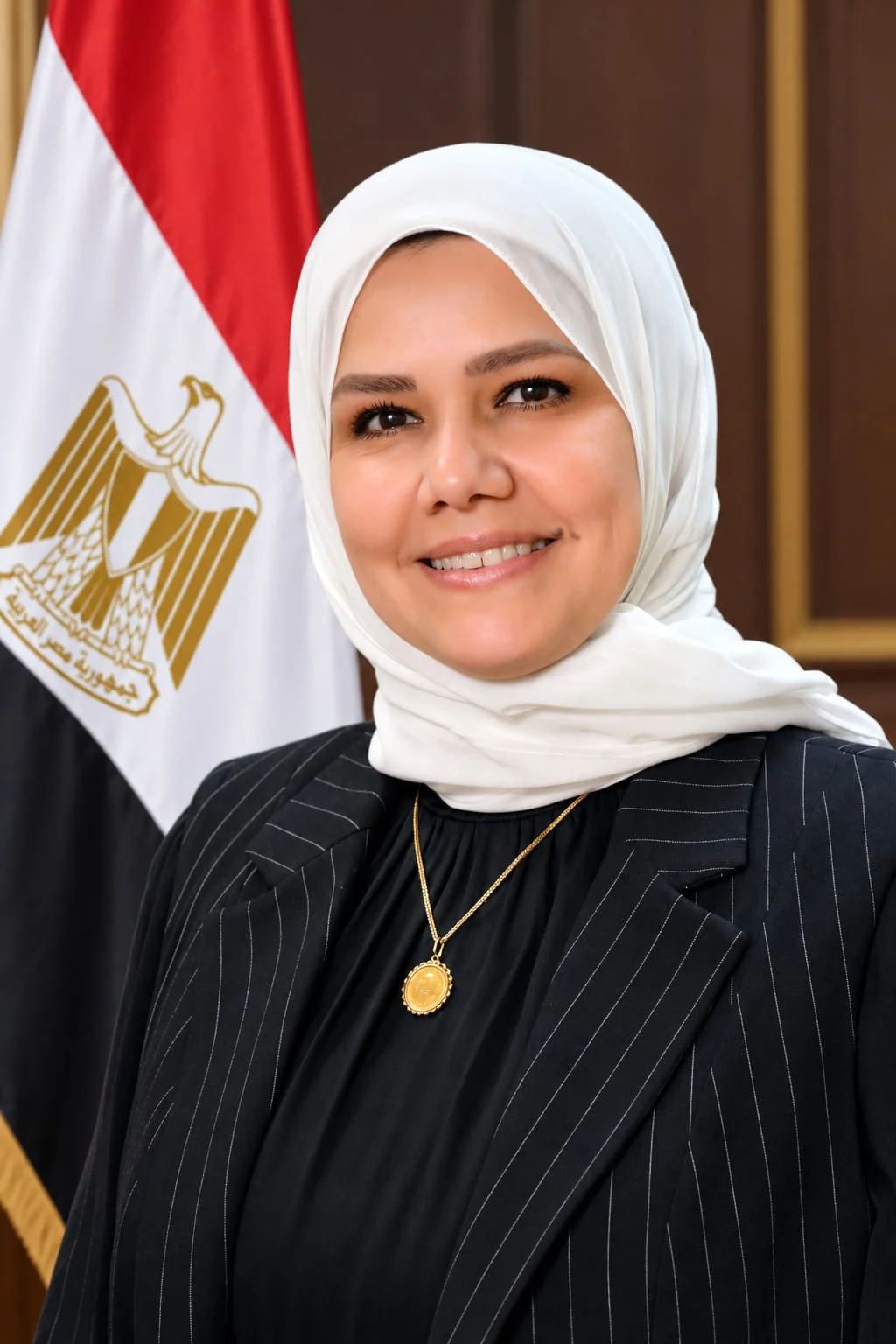
وأكدت الأستاذة رشا عبد العال، رئيس مصلحة الضرائب المصرية، أن التزام إشبيلية والاتفاقية الإطارية للأمم المتحدة بشأن التعاون الضريبي الدولي يمثلان مسارين متكاملين لتعزيز تعبئة الموارد المحلية، وتحسين العدالة الضريبية، وتطوير قدرة الدول على مواجهة التهرب والتجنب الضريبيين والتدفقات المالية غير المشروعة، بما يدعم جهود التنمية المستدامة، وخاصة في الدول الأفريقية.
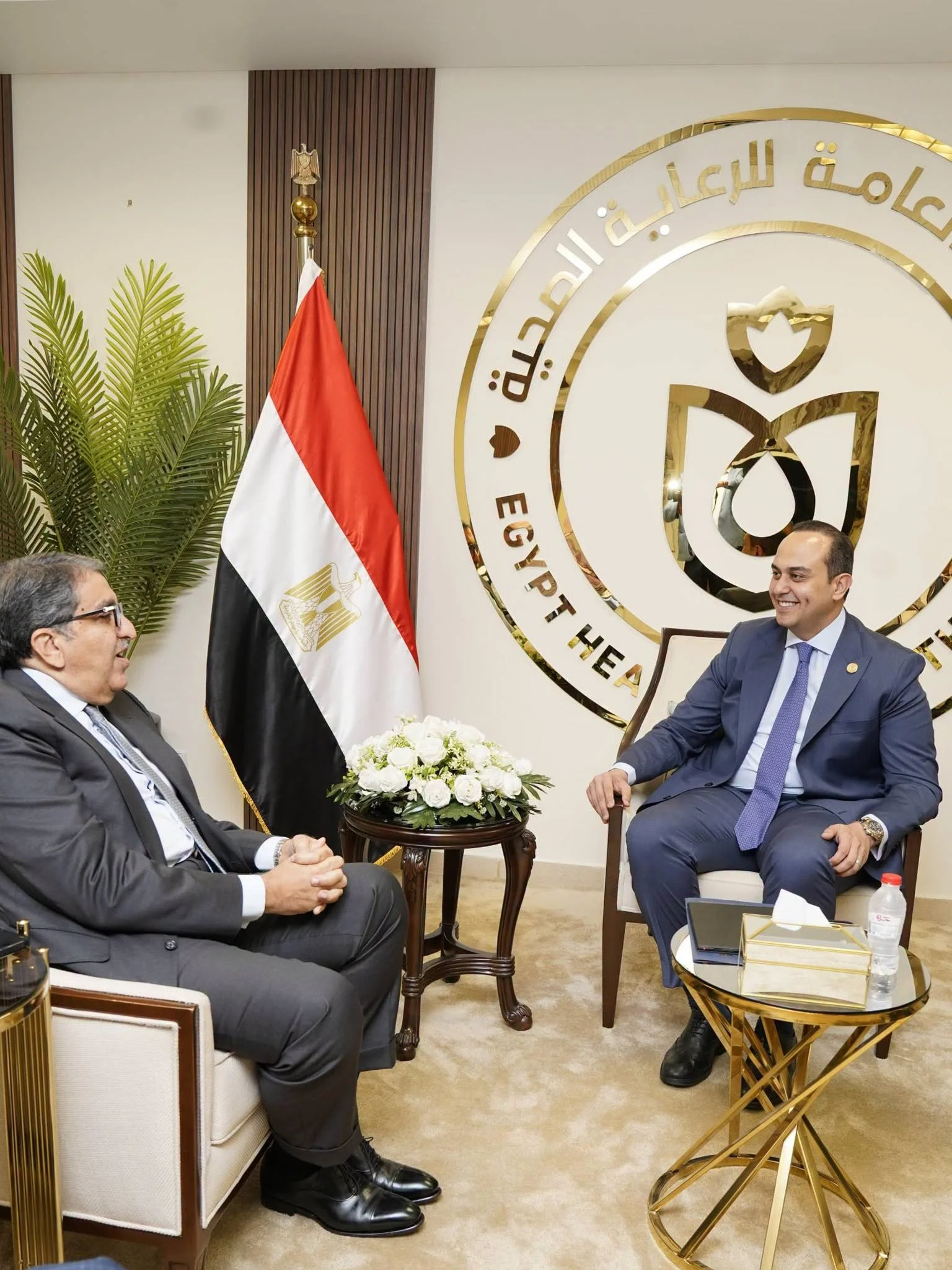
وأوضحت أن التزام إشبيلية يوفر الإطار السياسي والإنمائي والتمويلي لتحديد أولويات التنمية وتعزيز الموارد اللازمة لتمويلها، بينما تستهدف الاتفاقية الإطارية للأمم المتحدة وضع قواعد وآليات دولية للتعاون الضريبي تسهم في تحقيق هذه الأهداف، مشيرة إلى أن إشبيلية يحدد ما يحتاجه العالم من موارد وأولويات تنموية، في حين تسعى الاتفاقية الإطارية إلى توفير الآليات القانونية والتعاونية التي تساعد الدول على تحصيل حقوقها الضريبية بصورة عادلة، خاصة فيما يتعلق بالأنشطة الاقتصادية العابرة للحدود.
وأضافت أن هذا التكامل يكتسب أهمية خاصة بالنسبة إلى الإدارات الضريبية الأفريقية، التي تواجه تحديات متزايدة في تعبئة مواردها المحلية، وتحتاج إلى تطوير قدراتها المؤسسية والتكنولوجية، وتعزيز الاستفادة من آليات التعاون الضريبي الدولي، بما يساعدها على حماية قواعدها الضريبية وتحسين قدرتها على تحصيل الإيرادات المستحقة.
وأشارت رئيس مصلحة الضرائب المصرية إلى أن المفاوضات الجارية بشأن الاتفاقية الإطارية للأمم المتحدة تتيح فرصة مهمة لمعالجة التحديات المتعلقة بتوزيع الحقوق الضريبية، وخاصة فيما يتعلق بالشركات متعددة الجنسيات والأنشطة الرقمية والخدمات العابرة للحدود، بما يدعم قدرة الدول الأفريقية على حماية مصالحها الضريبية والمشاركة بصورة أكثر فاعلية في صياغة القواعد الدولية المنظمة لهذه الأنشطة.
وأكدت أن تعزيز الشفافية الضريبية وتبادل المعلومات يمثلان جانبًا أساسيًا من جوانب التكامل بين المسارين، حيث يدعم التزام إشبيلية التوجهات الدولية نحو مزيد من الشفافية، بينما يمكن للاتفاقية الإطارية أن تسهم في تطوير الأسس القانونية والمؤسسية للتعاون بين الإدارات الضريبية، بما يساعد على مواجهة ممارسات التهرب والتجنب الضريبيين، والحد من نقل الأرباح وتحويل الإيرادات الضريبية عبر الحدود.
ولفتت إلى أن بناء القدرات ونقل المعرفة لا يقلان أهمية عن تطوير القواعد الدولية، موضحة أن الإدارات الضريبية الأفريقية تحتاج إلى دعم مستدام في مجالات تحليل البيانات، وتقييم المخاطر، وتسعير المعاملات بين الشركات المرتبطة، وتطبيق قواعد التعاون الضريبي الدولي، حتى تتمكن من الاستفادة الفعلية من الالتزامات والمبادرات الدولية.
وفيما يتعلق باحتمالات التعارض أو التباين بين المسارين، أوضحت رشا عبد العال أن التكامل بين التزام إشبيلية والاتفاقية الإطارية للأمم المتحدة لا يعني بالضرورة تطابق مواقف جميع الدول بشأن آليات التنفيذ، مشيرة إلى أن اختلاف طبيعة المبادرتين وتباين المصالح الاقتصادية والضريبية للدول قد يؤدي إلى ظهور تباينات في بعض القضايا، دون أن يمثل ذلك تناقضًا جوهريًا بين أهدافهما.
وشددت رئيس مصلحة الضرائب المصرية على أن نجاح التكامل بين المبادرتين لن يتحقق بمجرد اعتماد الأطر الدولية، وإنما يتطلب إرادة سياسية حقيقية، وتمويلًا مستدامًا لبناء القدرات، وتنسيقًا أفريقيًا فعالًا، ومشاركة مؤثرة للدول النامية في المفاوضات الدولية، إلى جانب وضع آليات واضحة لقياس أثر هذه الالتزامات على الإيرادات العامة وأهداف التنمية المستدامة.
وأكدت أن مصر، بصفتها الدولة المضيفة للاجتماعات السنوية للمنتدى الأفريقي للإدارات الضريبية، وفي ضوء رئاستها لمفاوضات الاتفاقية الإطارية للأمم المتحدة بشأن التعاون الضريبي الدولي، تحرص على دعم التنسيق بين الأجندتين الضريبيتين الوطنية والدولية، وتعزيز حضور الأولويات الأفريقية في المحافل الدولية، بما يسهم في بناء منظومة تعاون ضريبي أكثر عدالة وتوازنًا، تستجيب لاحتياجات الدول النامية وتدعم قدرتها على تمويل تنميتها بمواردها الذاتية.
ومن جانبه، تناول معالي سيدي ك. م. كيتا، وزير المالية والشؤون الاقتصادية بجمهورية جامبيا، في الكلمة الرئيسية للجلسة، التحديات التي تواجه الاقتصادات الأفريقية الصغيرة في تحقيق التوازن بين زيادة الإيرادات المحلية والوفاء بالتزامات الديون والحفاظ على الإنفاق الاجتماعي، في ضوء التعهدات الدولية التي تضمنها اتفاق إشبيلية، وأهمية ترجمة هذه التعهدات إلى أدوات دعم قابلة للتنفيذ.
وفي السياق ذاته، تناولت فرانسيسكا تاتشوب بيلوبي، مفوضة التنمية الاقتصادية والتجارة والسياحة والصناعة والمعادن بمفوضية الاتحاد الأفريقي، أهمية الحفاظ على وحدة الموقف الأفريقي في متابعة تنفيذ اتفاق إشبيلية، والاستفادة من الأطر الإقليمية والدولية لتعزيز حضور الأولويات الأفريقية في أجندة تمويل التنمية، وضمان مراعاة احتياجات دول القارة عند تنفيذ الالتزامات العالمية.
كما تناول الدكتور جونستون ماخوبو، مفوض هيئة الإيرادات بجنوب أفريقيا والرئيس التنفيذي للمنتدى الأفريقي للإدارات الضريبية، التحديات العملية التي تواجه الإدارات الضريبية الأفريقية في تنفيذ الالتزامات المتعلقة بتعبئة الموارد المحلية، وأهمية تطوير القدرات المؤسسية والفنية، وتعزيز الشفافية، وتحديث أدوات الإدارة الضريبية، بما يساعد على تحويل التعهدات الدولية إلى نتائج ملموسة.
ومن جانب الأمم المتحدة، تناولت إميلي مويا، رئيسة وحدة تنمية القدرات بمكتب تمويل التنمية المستدامة التابع لإدارة الشؤون الاقتصادية والاجتماعية بالأمم المتحدة، أهمية تطوير آليات متابعة تنفيذ اتفاق إشبيلية، والتمييز بين التعهدات المعلنة والنتائج الفعلية، والاستفادة من الدروس المستخلصة من خطة عمل أديس أبابا، بما يضمن قياس الأثر الحقيقي للمبادرات الدولية على قدرات الدول النامية في تعبئة مواردها المحلية.
وشهدت الجلسة مناقشات موسعة حول التحديات التي تواجه القارة الأفريقية في تمويل التنمية، في ظل محدودية الموارد المحلية وارتفاع أعباء الديون واستمرار التدفقات المالية غير المشروعة، إلى جانب الحاجة إلى زيادة الدعم الدولي الموجه لتطوير الإدارات الضريبية وتعزيز قدرتها على تحصيل الإيرادات بكفاءة وعدالة.
كما تناولت المناقشات أهمية تطوير آليات أفريقية لمتابعة تنفيذ الالتزامات الدولية، وتحديد أولويات الدعم الفني والمالي، ومراعاة التفاوت بين الاقتصادات الأفريقية، بما يضمن أن تنعكس التعهدات العالمية على الواقع الاقتصادي والمالي لدول القارة.
وتأتي هذه الجلسة ضمن سلسلة من المناقشات المتخصصة التي تشهدها الاجتماعات السنوية للمنتدى الأفريقي للإدارات الضريبية «ATAF 2026»، تحت شعار «تعزيز الإيرادات: مسار أفريقيا لتمويل تنميتها بمواردها الذاتية»، بهدف بلورة رؤية أفريقية مشتركة لتعزيز التعاون الضريبي الدولي، وتطوير الإدارة الضريبية، ودعم قدرة الدول الأفريقية على تعبئة مواردها المحلية وتمويل أولوياتها التنموية بصورة أكثر استدامة.
From Cairo:
ATAF 2026 Examines the Future of International Commitments to Finance Africa’s Development in Light of the Compromiso de Sevilla (Seville Commitment)
Ms. Rasha Abdel Aal, Head of the Egyptian Tax Authority (ETA):
o The Compromiso de Sevilla and the UN Framework Convention are two complementary tracks for strengthening domestic resources and establishing a fairer international tax system.
o The Compromiso de Sevilla sets the political and financing priorities for development, while the Framework Convention aims to put in place the international rules and mechanisms needed to deliver them.
o Africa needs international tax cooperation that protects its taxing rights and strengthens its ability to combat tax evasion and avoidance and illicit financial flows.
CAIRO – The Annual Meetings of the African Tax Administration Forum, ATAF 2026, hosted by the Arab Republic of Egypt, represented by the Egyptian Tax Authority (ETA), in Cairo from 1 to 5 November, featured a high-level panel discussion entitled “The Compromiso de Sevilla: An African Review of the Global Compact.” The session brought together ministers, senior officials and representatives of tax administrations and of African and international institutions to discuss progress in implementing international commitments on financing for development, as well as the opportunities and challenges African countries face in turning these commitments into tangible results that strengthen their capacity to mobilise domestic resources.
Moderated by Ms. Mary Baine, Executive Secretary of the African Tax Administration Forum (ATAF), the session formed part of an African review of the Compromiso de Sevilla, adopted at the Fourth International Conference on Financing for Development (FfD4) in Spain in 2025. It sought to assess progress on pledges, identify implementation gaps and explore the mechanisms needed to help African countries benefit more fully from international financing-for-development initiatives.
Ms. Rasha Abdel Aal, Head of the Egyptian Tax Authority, affirmed that the Compromiso de Sevilla and the United Nations Framework Convention on International Tax Cooperation represent two complementary tracks for enhancing domestic resource mobilisation, improving tax fairness and strengthening countries’ ability to combat tax evasion and avoidance and illicit financial flows, thereby supporting sustainable development efforts, particularly in African countries.
She explained that the Compromiso de Sevilla provides the political, development and financing framework for setting development priorities and mobilising the resources needed to fund them, while the UN Framework Convention aims to establish international rules and mechanisms for tax cooperation that contribute to these goals. The Compromiso de Sevilla, she noted, defines the resources and development priorities the world needs, whereas the Framework Convention seeks to provide the legal and cooperative mechanisms that help countries secure their taxing rights fairly, particularly in relation to cross-border economic activities.
Ms. Abdel Aal added that this complementarity is particularly important for African tax administrations, which face growing challenges in mobilising domestic resources and need to develop their institutional and technological capacities and make fuller use of international tax cooperation mechanisms. This, she said, would help them protect their tax bases and improve their ability to collect the revenue due.
The Head of the ETA further noted that the ongoing negotiations on the UN Framework Convention offer an important opportunity to address challenges relating to the allocation of taxing rights, particularly with regard to multinational enterprises, digital activities and cross-border services. This would strengthen African countries’ ability to protect their tax interests and to play a more effective role in shaping the international rules that govern these activities.
She stressed that enhancing tax transparency and the exchange of information is a fundamental aspect of the complementarity between the two tracks. The Compromiso de Sevilla supports the international drive towards greater transparency, she explained, while the Framework Convention can help develop the legal and institutional foundations for cooperation among tax administrations, helping them tackle tax evasion and avoidance and curb profit shifting and the cross-border diversion of tax revenues.
Ms. Abdel Aal pointed out that capacity building and knowledge transfer are no less important than developing international rules. African tax administrations, she explained, need sustained support in data analytics, risk assessment, transfer pricing and the application of international tax cooperation rules, so that they can genuinely benefit from international commitments and initiatives.
Addressing the possibility of conflict or divergence between the two tracks, Ms. Abdel Aal explained that the complementarity between the Compromiso de Sevilla and the UN Framework Convention does not necessarily mean that all countries share the same positions on implementation mechanisms. The different nature of the two initiatives and the varying economic and tax interests of countries may give rise to divergences on certain issues, she noted, without this amounting to a fundamental contradiction between their objectives.
The Head of the ETA emphasised that successful complementarity between the two initiatives will not be achieved merely by adopting international frameworks.
It requires genuine political will, sustainable funding for capacity building, effective African coordination and meaningful participation by developing countries in international negotiations, together with clear mechanisms to measure the impact of these commitments on public revenue and the Sustainable Development Goals.
She affirmed that Egypt, as host of the ATAF Annual Meetings and in light of its chairing of the negotiations on the UN Framework Convention on International Tax Cooperation, is committed to supporting coordination between national and international tax agendas and to strengthening the presence of African priorities in international fora. This, she said, will help build a fairer and more balanced system of tax cooperation that responds to the needs of developing countries and supports their ability to finance their development from their own resources.
Delivering the session’s keynote speech, Hon. Seedy K.M. Keita, Minister of Finance and Economic Affairs of the Republic of The Gambia, addressed the challenges small African economies face in balancing higher domestic revenue, debt obligations and social spending, in light of the international pledges set out in the Compromiso de Sevilla.
He also underlined the importance of translating these pledges into actionable support instruments.
In the same vein, H.E. Francisca Tatchouop Belobe, Commissioner for Economic Development, Trade, Tourism, Industry and Minerals (ETTIM) at the African Union Commission, highlighted the importance of maintaining a united African position in following up on the implementation of the Compromiso de Sevilla, leveraging regional and international frameworks to give African priorities a stronger presence on the financing-for-development agenda, and ensuring that the continent’s needs are taken into account as global commitments are implemented.
Dr. Johnstone Makhubu, Commissioner of the South African Revenue Service (SARS) and Chairperson of the ATAF Council, addressed the practical challenges African tax administrations face in implementing commitments on domestic resource mobilisation.
He stressed the importance of developing institutional and technical capacity, enhancing transparency and modernising tax administration tools to help turn international pledges into tangible results.
Speaking for the United Nations, Ms. Emily Muyaa, Chief of the Capacity Development Unit at the Financing for Sustainable Development Office of the UN Department of Economic and Social Affairs (UN DESA), underlined the importance of developing mechanisms to follow up on the implementation of the Compromiso de Sevilla, distinguishing between announced pledges and actual results, and drawing on the lessons learnt from the Addis Ababa Action Agenda. This, she said, would ensure that the real impact of international initiatives on developing countries’ capacity to mobilise domestic resources is properly measured.
The session featured wide-ranging discussions on the challenges Africa faces in financing its development, given limited domestic resources, rising debt burdens and persistent illicit financial flows, as well as the need for greater international support to develop tax administrations and strengthen their capacity to collect revenue efficiently and fairly.
The discussions also highlighted the importance of developing African mechanisms to follow up on the implementation of international commitments, identifying priorities for technical and financial assistance, and taking account of disparities among African economies, so that global pledges are reflected in the economic and financial realities of the continent’s countries.
The session is one of a series of specialised discussions taking place at the ATAF Annual Meetings 2026 under the theme “The Revenue Imperative: Africa’s Path to Financing Its Own Development”. The meetings aim to forge a shared African vision for strengthening international tax cooperation, developing tax administration and supporting African countries’ capacity to mobilise domestic resources and finance their development priorities more sustainably.